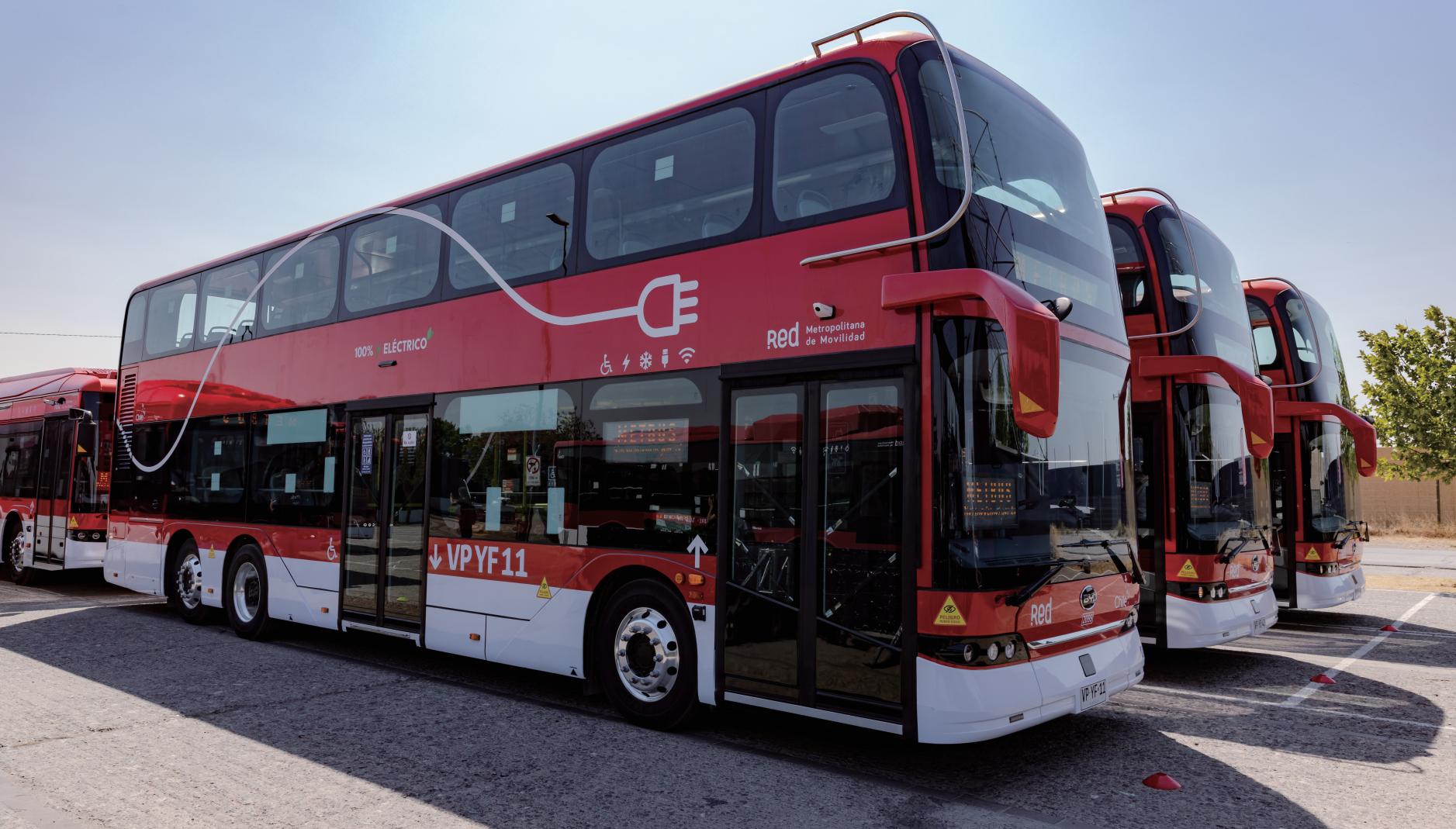
1. Operation Management
The unified platform has begun to reshape how METBUS manages its operations, particularly through the use of automatic passenger counting (APC) data. By gaining visibility into passenger volumes across specific routes and stops, METBUS is now able to better understand real demand patterns across the network.
These insights enable more informed fleet allocation decisions, allowing METBUS to adjust the number of vehicles deployed on different routes based on actual passenger demand. Beyond internal optimization, this data also plays a critical role in external coordination. By providing accurate, data-backed insights, METBUS is better positioned to support government decision-making around public transport resource distribution.
In addition, as government subsidies are closely tied to passenger volume per kilometer, improved data accuracy ensures that METBUS receives fair and precise compensation. Overall, passenger flow and travel pattern insights are laying the foundation for more efficient planning, better resource utilization, and stronger alignment with public transport policies.
2. Passenger Service
The deployment of the Passenger Information System (PIS) has significantly enhanced the passenger experience. Through real-time onboard announcements and visual displays, passengers are informed of upcoming stops, routes, and estimated arrival times, creating a more transparent and accessible journey.
This capability directly contributes to service quality, an important factor in how public transport operators are evaluated and ranked. By improving information clarity and reducing uncertainty during travel, METBUS is not only enhancing passenger satisfaction but also strengthening its competitiveness in securing government support and subsidies.
METBUS aims to position itself as the leading public transport operator in Santiago, and the ability to deliver a more reliable, informative, and passenger-centric experience is a key step toward that goal. As noted by METBUS’s CTO and Planning Manager, this capability sets them apart in Santiago’s public transportation landscape, enabling more transparent and real-time passenger information services.
3. Driving Safety
With the integration of AI-powered safety capabilities, METBUS has significantly improved its ability to proactively manage driving risks. The system continuously monitors driver behavior and surrounding road conditions, issuing real-time alerts for unsafe actions such as distraction, fatigue, or potential collisions.
This shift from reactive incident handling to proactive risk prevention helps reduce accidents involving pedestrians, cyclists, and other vehicles, while promoting safer driving habits across the fleet.
METBUS has also expressed strong interest in further enhancing driver management capabilities, particularly in areas such as driver identification and driving behavior analysis. Features like facial recognition-based attendance and driver accountability for harsh driving events (e.g., sudden braking or acceleration) are seen as important next steps to reduce operational costs, minimize passenger incidents, and improve overall service quality.
4. Public Safety
Passenger and onboard security have been strengthened through a comprehensive video surveillance system and emergency response capabilities, providing METBUS with greater situational awareness and faster reaction times in the event of incidents.
Real-time and remote access to onboard video has improved both operational response and post-incident investigation efficiency, helping create a safer environment for passengers and drivers alike.
Looking forward, METBUS is actively exploring the expansion of its public safety capabilities through technologies such as Automatic Number Plate Recognition (ANPR). By enabling the identification and tracking of vehicles involved in traffic violations or incidents, ANPR has the potential to support broader urban safety initiatives and collaboration with public authorities. Such capabilities could contribute not only to operator-level safety improvements but also to supporting city-level traffic governance and enforcement strategies in the future.
Overall, this transformation marks METBUS’s shift toward a more data-driven, KPI-aligned, and intelligently managed public transportation system.