

7 Key Questions to Ask When Evaluating Video Telematics Systems
How many alerts does the system generate per vehicle per day?
This matters because the danger is not only false positives. Even a system with some accuracy can still overwhelm a safety team if it produces too many events. When review volume becomes unmanageable, the team stops using the system proactively. In that case, the camera may continue recording, but the workflow no longer supports prevention. A practical system should surface only the events that are genuinely worth attention.
Can the platform detect driver fatigue before the driver’s eyes close?
That distinction is critical. An event-based model that flags fatigue only at the point of eye closure is reacting at the moment of maximum risk. Study shows that using machine learning can improve automatic detection of driver fatigue and distraction. That gives the driver a chance to act safely. In fleet safety, prevention is always more valuable than after-the-fact detection.
Does the camera read vehicle data natively or requires a separate tracker?
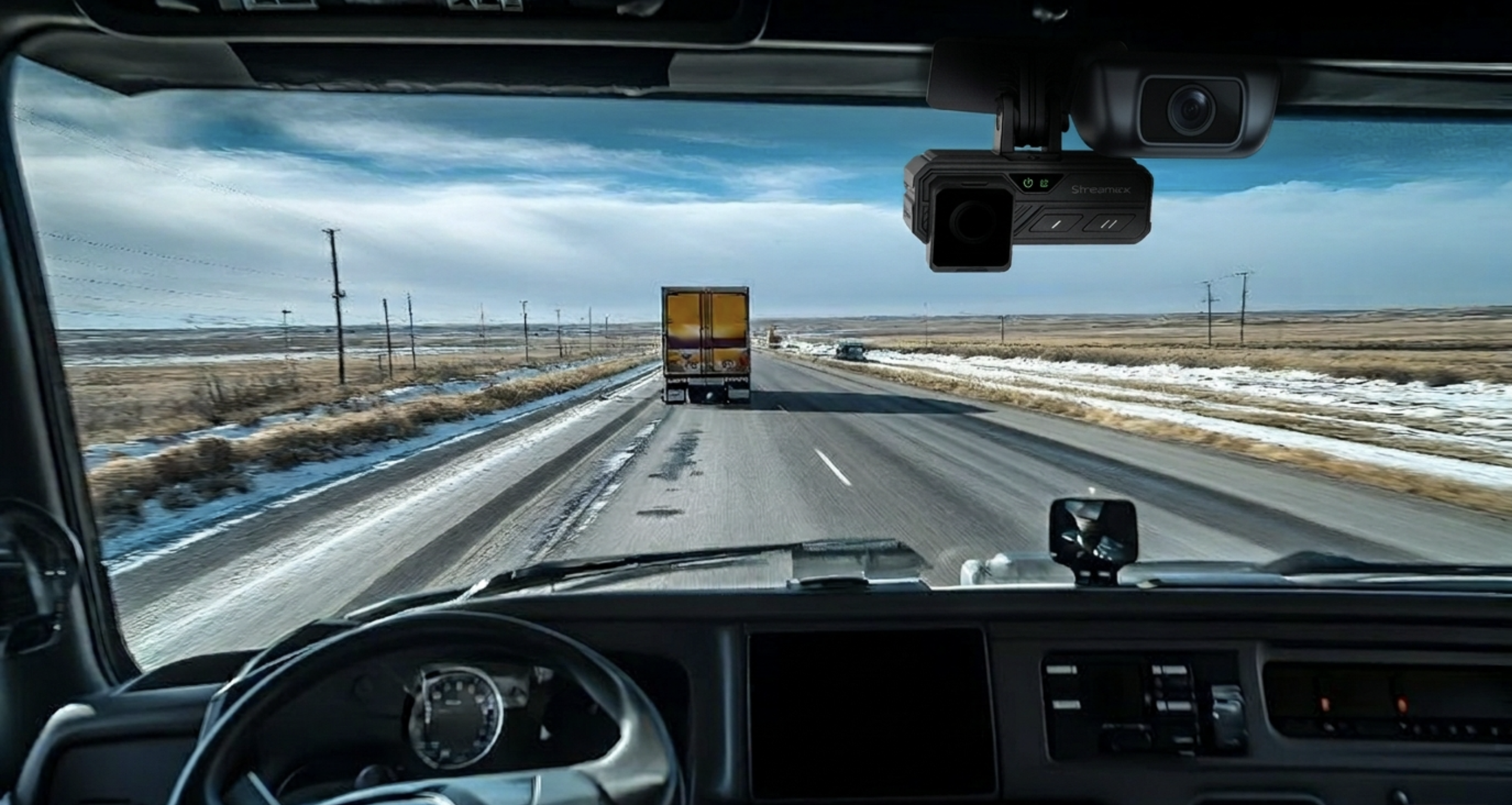
If a separate tracker is still necessary, the fleet must manage two devices, two installations, and often two data plans. That adds cost and complexity. Since integrated camera platforms now exist, fleets should ask why they are paying for a split architecture when a single-device model can provide video, positioning, and vehicle data together. The answer may still justify a two-device setup in some cases, but the decision should be explicit rather than assumed.
How many countries and driving environments trained the AI model?
Geographic diversity matters because driving behavior is not the same everywhere. A system trained only on one market may generate false positives in another. For example, the source material notes that highway driving in North America, dense city traffic in Europe, mixed conditions in Southeast Asia, and more chaotic road environments elsewhere can produce very different AI performance outcomes. Fleet operators should therefore ask about the breadth of the training data, not just the size of the model.
How does the system helps coach specific drivers on specific behaviors?
A generic safety score may be easy to display, but it does not necessarily tell a manager what to coach. A useful platform should reveal patterns, such as fatigue tendencies, risk in heavy traffic, or behaviors linked to certain routes or shift types. Coaching works better when it is tied to a real behavioral pattern rather than a broad label. The value of video telematics is not simply to score drivers. It is to help improve how they drive.
What data context comes with each alert?
If an alert is only a short video clip and a severity label, the safety manager still lacks the explanation needed to have a constructive conversation with the driver. Context matters because it supports trust. A transparent system can show why the alert was raised and how the contributing signals fit together. A black-box system, by contrast, can feel arbitrary and punitive. The more explainable the system, the easier it is to turn the event into a coaching moment.
What happens to the data if the fleet later changes providers?
Data portability is an important part of platform evaluation. If exporting data is difficult, the provider may be creating lock-in instead of value. A fleet that is serious about long-term safety improvement should also be serious about its ability to retain control of its own data. That includes understanding ownership, export options, and transition processes before signing a contract.
How to Interpret These Answers: From Detection to Safety Impact
Taken together, these questions shift the buying process away from marketing language and toward operational reality. They force the fleet to ask whether the system is truly reducing risk or simply producing more evidence. A strong video telematics platform should do more than record events. It should help a safety team act on the right events, at the right time, with enough context to make the conversation useful.
The broader evaluation principle is easy to remember: do not confuse detection count with safety impact. A platform with many event types may look sophisticated, but sophistication does not always translate into better outcomes. What matters is whether the system can reduce alert fatigue, support predictive rather than reactive intervention, and fit into a sustainable workflow. If the product generates too much noise, the fleet will stop using it. If it creates trust and clarity, it becomes part of the safety culture.
Final Checklist for Procurement Teams
For procurement teams, the best approach is to treat video telematics as an operational system, not a gadget. Ask about:
-
Review burden
-
Fatigue detection
-
Native vehicle data
-
Diversity of the AI training base
-
Coaching capabilities
-
Alert transparency
-
Data portability
These questions reveal whether the platform is ready to become a long-term part of fleet operations. Choosing the right video telematics system is ultimately about choosing a system that can improve behavior, not just capture it. The best solution will help fleets see less noise, understand more context, and build more effective coaching. That is what turns a camera deployment into a safety strategy.