

From Separate Devices to a Unified Telematics Architecture
Native Access to Vehicle Data Protocols
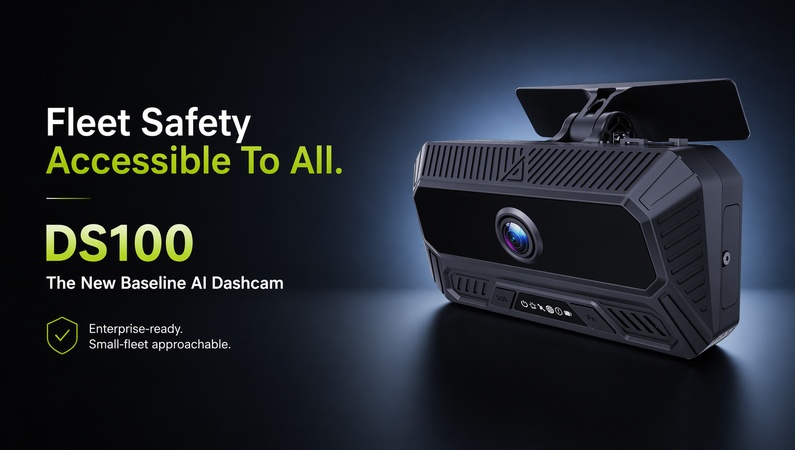
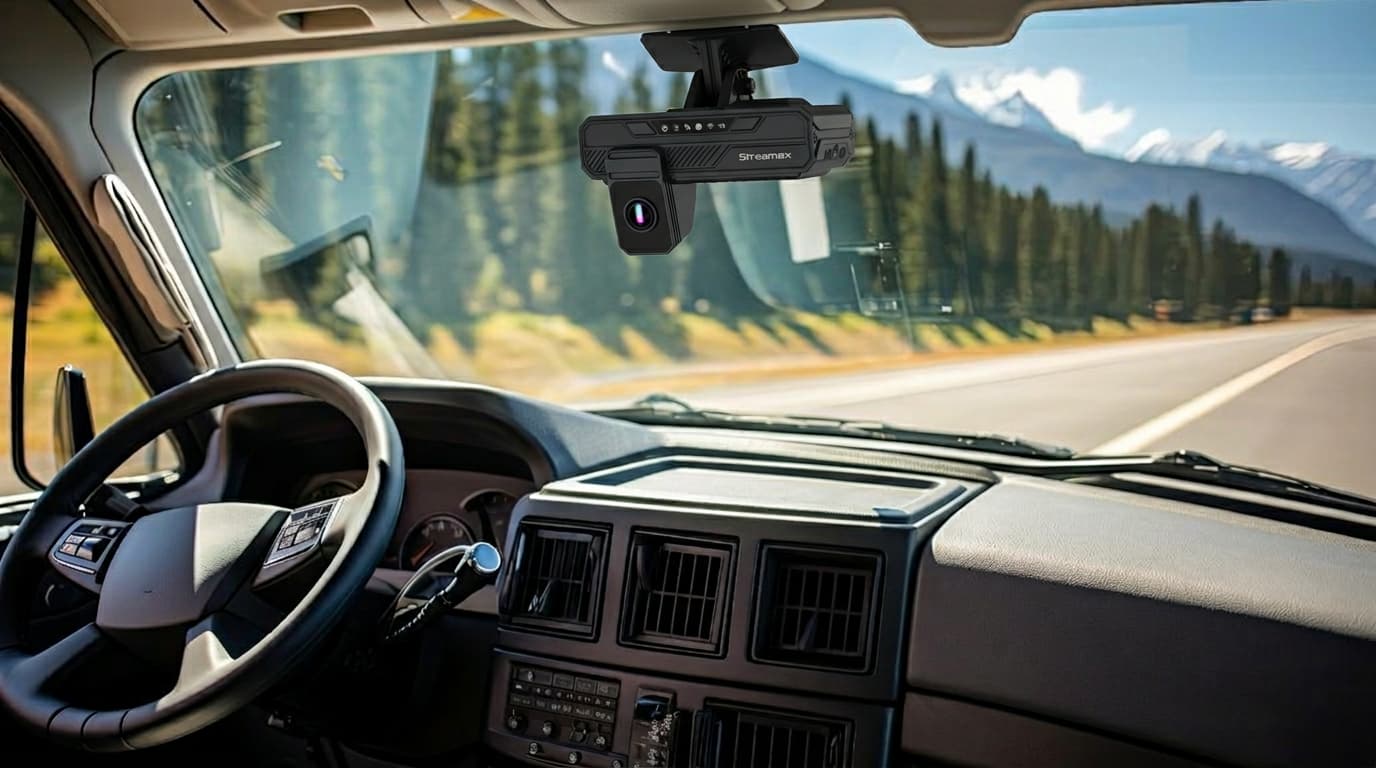
What is changing now is the role of the camera itself. Cameras are no longer just recording devices mounted on the windshield. With native access to vehicle data protocols such as OBD-II, J1939, FMS, and related interfaces, the camera can read information directly from the vehicle’s own systems. When that capability is combined with built-in GPS, video, and AI analysis, the camera begins to absorb the function that was once handled by the separate telematics tracker. In that sense, the camera is not simply a camera anymore. It is becoming the vehicle’s new gateway.
One Device, Multiple Functions
This shift matters because it collapses multiple functions into a single point of infrastructure. Instead of one device for location and diagnostics and another for video intelligence, fleets can move toward one device that captures both. That means:
-
One installation appointment instead of two
-
One cellular connection instead of two
-
One integration to manage instead of two separate systems
-
One central hardware layer connecting the vehicle to the cloud
For a small fleet, that may sound like a convenience. For a larger fleet, it can fundamentally reduce deployment complexity and ongoing operational burden.
Why Camera-Based Telematics Hubs Deliver Operational Value?
Unified Data with Smarter Insights
When the camera becomes the telematics hub, the fleet gains video, vehicle data, positioning, and behavioral intelligence through one platform. Platforms like Streamax can also extend outward to connect peripheral sensors, such as tire pressure monitors, fuel sensors, temperature probes, and driver identification devices. In other words, the camera stops being a passive recorder and starts functioning as the central vehicle gateway.
Less Devices with Lower Operational Costs
For two decades, the separate GPS tracker was the standard hardware backbone of fleet management. But when a camera can perform that role and add more value on top of it, the old split architecture begins to look inefficient. The camera does not replace the need for telematics intelligence — it re‑hosts that intelligence in a more integrated device. The tracker is not disappearing because the need for tracking has vanished; it is being absorbed into a more capable platform. The result for fleets: fewer devices, lower installation and cellular costs, and less administrative overhead.
How Fleets Benefit from Reduced Complexity and Cost
Fewer devices mean:
-
Fewer installation points
-
Fewer maintenance issues
-
Fewer contracts to manage
The logic is especially compelling when the camera can deliver the same core data that the tracker once supplied, while also adding video and AI-based behavioral analysis. At scale, even small reductions in hardware, cellular spend, and administrative overhead become important. The appeal of the one-device model is not just technological elegance — it is operational efficiency. The ability to add video to an existing telematics offering expands the relationship with the fleet and increases value per vehicle. At the same time, providers that do not adapt risk losing customers to competitors that can offer a more complete package. The market is moving toward platforms that combine tracking, video, vehicle data, and AI in one stack. Companies that understand this convergence early are better positioned than those still treating video as an add-on rather than a core layer.
The Role of Data Diversity in AI-Powered Telematics
A camera platform that operates across multiple markets can gather a wider variety of driving situations, road conditions, and traffic patterns. That diversity improves AI accuracy over time. A system trained only in one driving environment will not perform equally well in another. A platform trained across many environments learns to distinguish normal behavior from genuine risk more effectively.
This creates a data flywheel: the more diverse the deployed base, the better the model becomes — and the better the model becomes, the more valuable the platform is to fleets in different regions. That is why geography matters in this discussion. Driving on North American highways, European city streets, Southeast Asian traffic, and South American cargo routes is not the same. A truly global camera platform must learn from all of those contexts. The more diverse the data, the more accurate the intelligence. The competitive edge therefore shifts from hardware specifications alone to the quality and diversity of the data behind the system.
How to identify a True Camera-Based Telematics Hub?
None of this means the camera is magically useful on its own. A camera becomes the telematics hub only when it is connected to vehicle data, GPS, AI, and the broader safety workflow. The center of gravity is moving. The camera is becoming the place where video, vehicle data, and behavioral intelligence meet. That is why the device once known only for recording is now positioned to become the most important hardware layer in modern fleet safety.
For fleet operators, the right questions are practical:
-
Does the camera read vehicle data natively, or does it still require a separate tracker?
-
Does it simplify installation and management?
-
Can it connect to additional sensors?
-
Does it support a broader safety and telematics workflow rather than just a video feed?
These questions reveal whether the camera is being used as a recording tool or as a real vehicle gateway.
In all, the next generation of fleet infrastructure will not be defined by separate devices solving separate problems. It will be defined by integrated systems that do more from a single platform. That is why the camera is becoming the new telematics hub: not because the camera is replacing intelligence, but because it is becoming the place where intelligence is delivered.