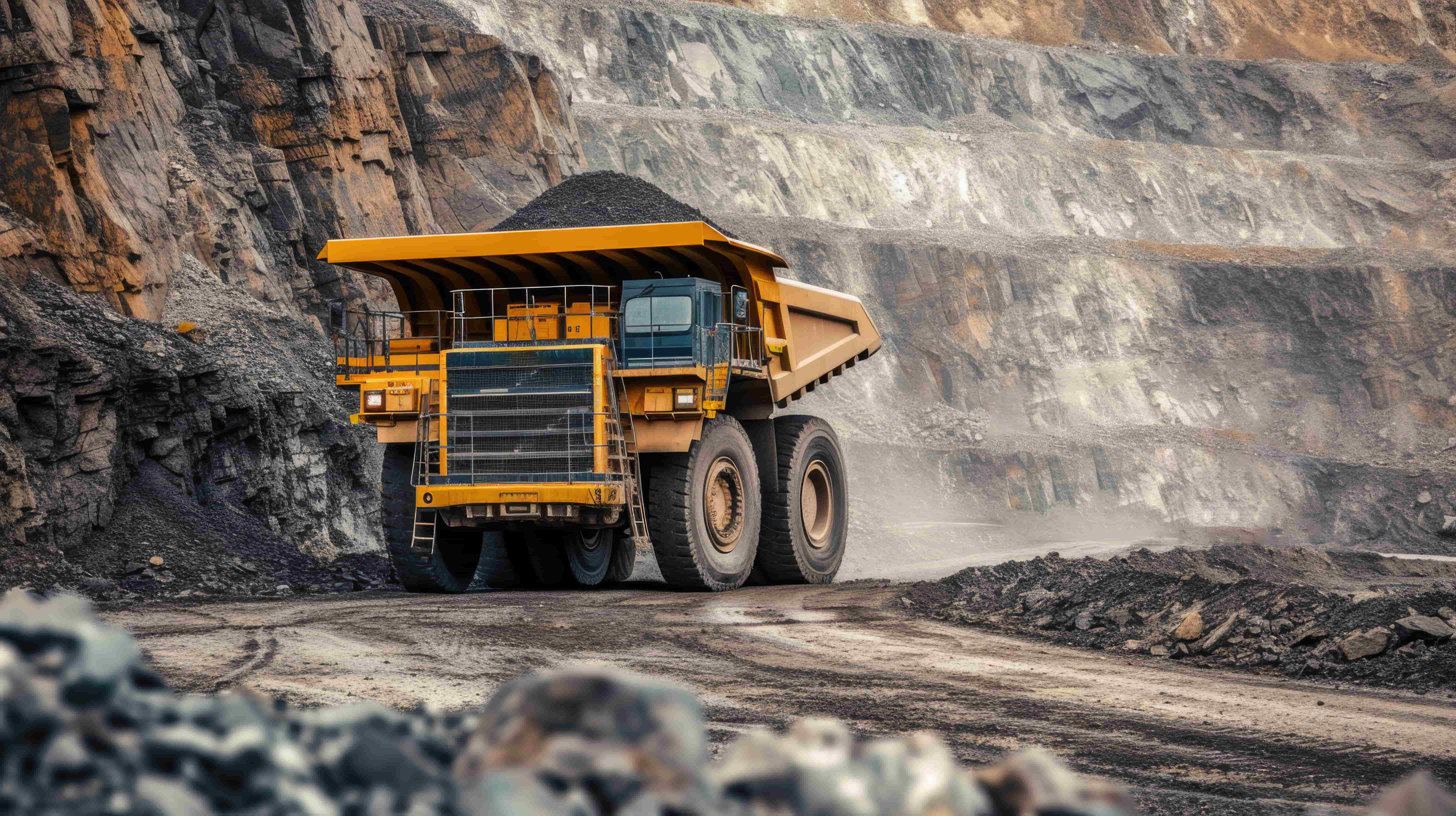
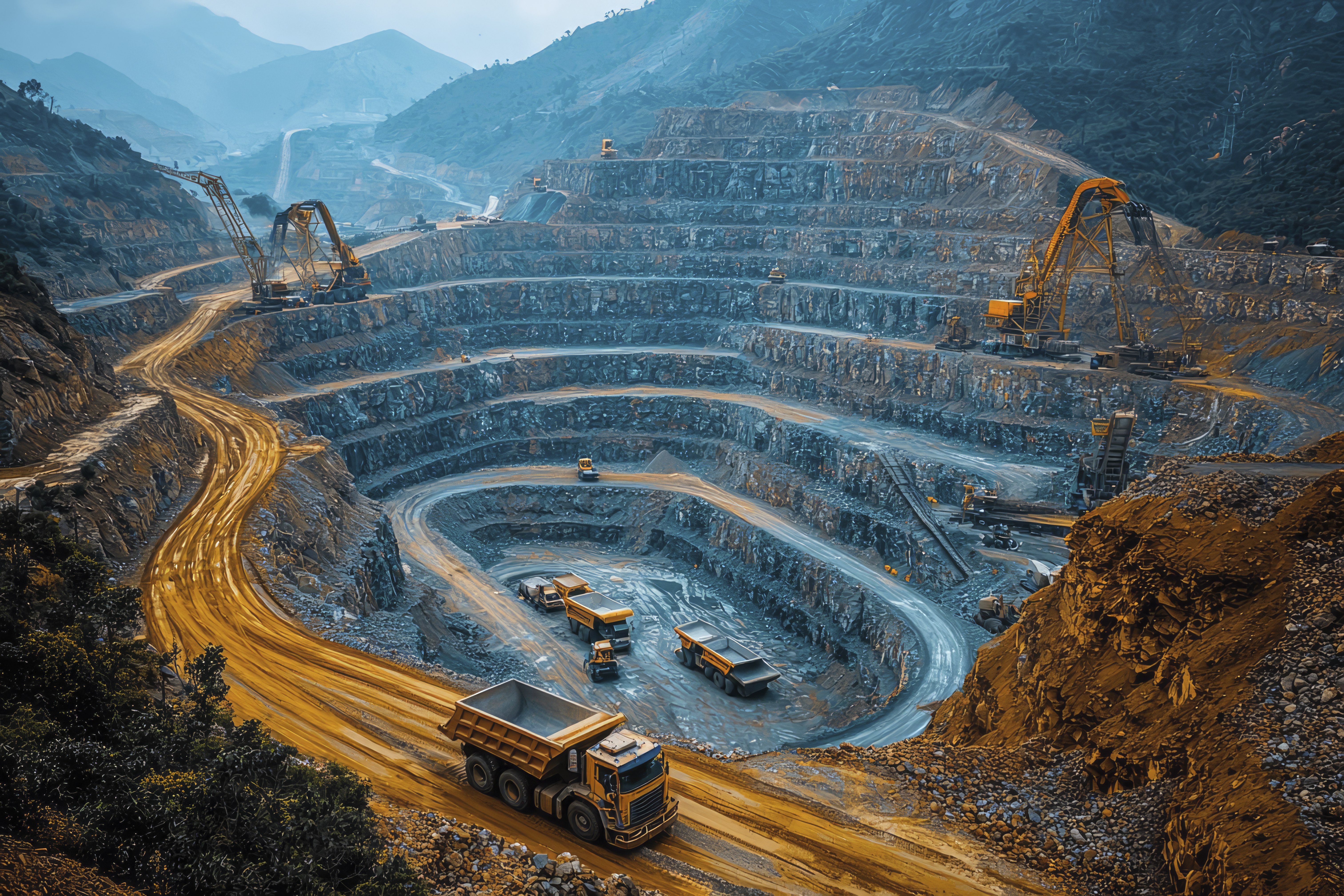
Open-pit mining operates on a scale where industrial safety practices must integrate with digital regulatory frameworks to manage extreme risks. The transition from passive observation to AI-driven hazard identification is essential to achieving "Zero Harm" objectives. Surface mining involves some of the largest land vehicles on earth, such as ultra-class haul trucks that stand over seven meters tall, effectively turning the surrounding 20 meters into a "lethal zone" where visibility is non-existent. Traditional safety measures often struggle in these environments due to unique hurdles—such as thick dust clouds, engine exhaust, and safety berms—that render standard sensors unreliable. This guide examines how AI-powered blind spot detection (BSD) is transforming these challenges into controllable operational standards.
Get the latest from Streamax
The Physical Reality: Scale and Blind Spots in Heavy Mobile Equipment (HME)
Why Mirrors Fail Ultra-Class Haul Trucks
The sheer dimensions of Heavy Mobile Equipment (HME) create a "Cone of Invisibility" that no mirror configuration can fully eliminate. For an operator seated three stories high in a 400-ton payload truck, a light service vehicle or a technician standing near the front grill is completely shielded from view. These high-risk areas, officially known in some regions as "No-Zones," represent locations where crashes are most likely to occur due to limited visibility. Unlike passenger vehicles, the right-side blind spot of a haul truck can extend across multiple lanes, making it the largest and most dangerous risk area during turning maneuvers.
The 24/7 Operational Cycle and Human Fatigue
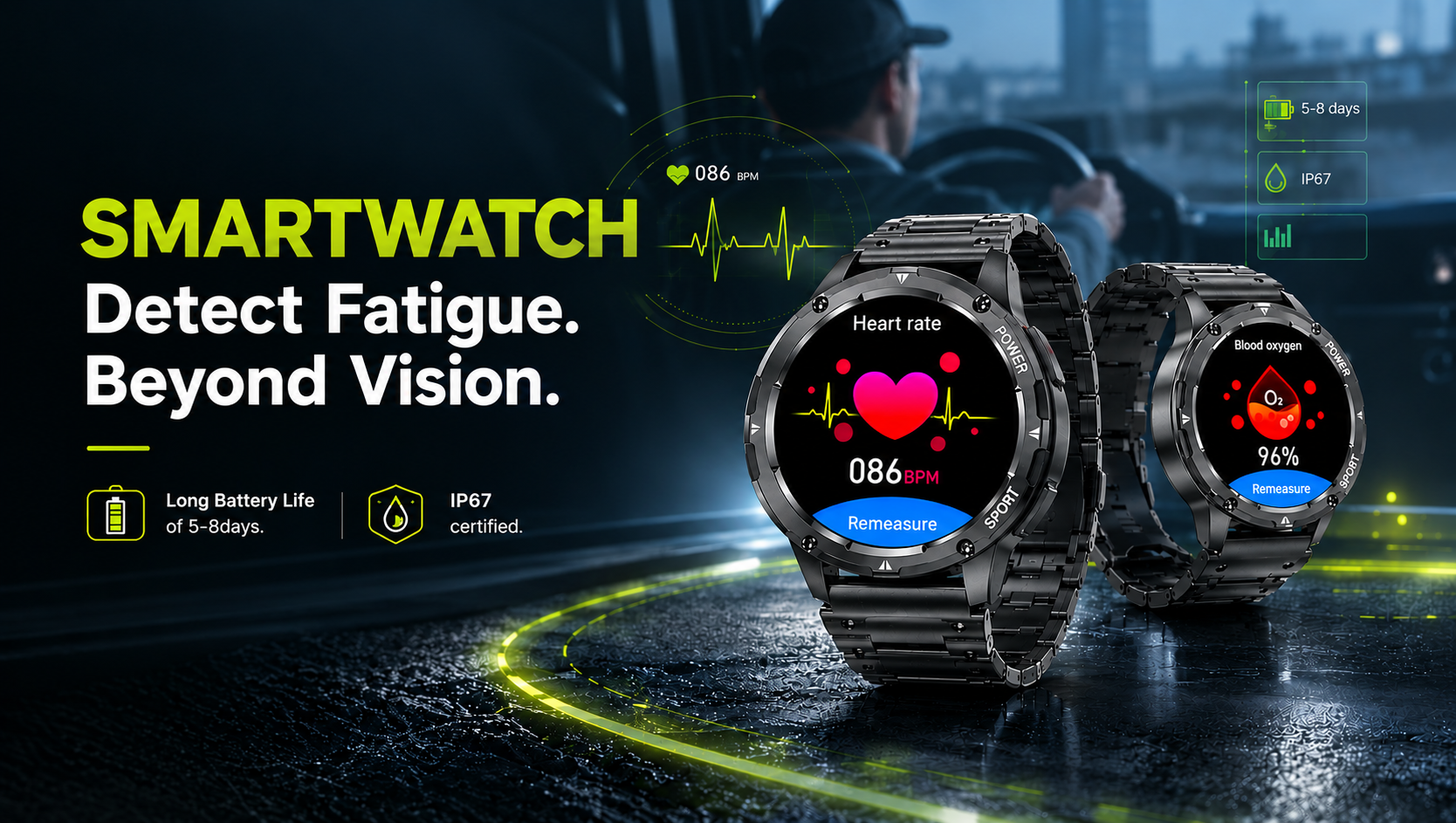
Surface mining requires continuous operation through night shifts, heavy fog, and monsoon conditions. Operators work in high-vibration, repetitive environments for 12-hour shifts, where fatigue and high workload can compromise manual observation. Statistics indicate that a significant proportion of large vehicle accidents are linked to "inadequate surveillance," often involving failures in detecting surrounding road users. AI systems act as a non-fatigued "third eye," maintaining consistent detection accuracy even when human attention naturally declines due to environmental stressors.
Beyond Visibility: Solving the "Dust and Nuisance" Challenge in the Pit
In surface mining, the primary enemy of safety technology is the environment itself. While highway-based systems struggle with urban traffic, mining operators face "Atmospheric Obscuration" from thick dust clouds and exhaust plumes.
Intelligent Environmental Filtering
Traditional proximity sensors often trigger false positives when they encounter non-critical obstacles like safety berms (rock walls) or construction dust. These frequent non-critical alerts lead to "alert fatigue," eroding driver trust and sometimes causing operators to ignore or disable the system entirely. Modern AI vision overcomes this by using object classification. Instead of alerting for "anything nearby," the system distinguishes between a lethal hazard, such as a pedestrian, and background noise like a rock pile.
Overcoming Low-Light and Glare
Mining sites involve harsh lighting transitions, including strong glare during sunrise or total darkness during night shifts. AI-powered cameras utilize specialized image signal processing to "see" through low-light conditions and strong reflections that would blind a human operator or a standard camera. This capability ensures that detection remains reliable regardless of the time of day or atmospheric conditions.
BSD Technology Adaptation: Logistics vs. Mining Applications
To address the specific demands of the mining sector, safety technology must evolve from standard logistics assistance to specialized industrial protection. Streamax provides a tailored Mining Solution that bridges this gap. By combining high-definition cameras and radar through sensor fusion to ensure stable performance in the most severe pit conditions, Streamax enables mining fleets to move beyond simple visual aids toward a comprehensive safety ecosystem. This solution translates complex situational data into actionable alerts, ensuring that operators can respond to real risks without the distraction of frequent false positives, particularly through real-time hazard detection at the source.
|
Blind Spot Pain Point
|
Logistics Vehicle Scenario
|
Mining Special Vehicle Scenario
|
AI-Powered System Assistance
|
|
Hazard Identification
|
Detecting cyclists and pedestrians in urban traffic lanes.
|
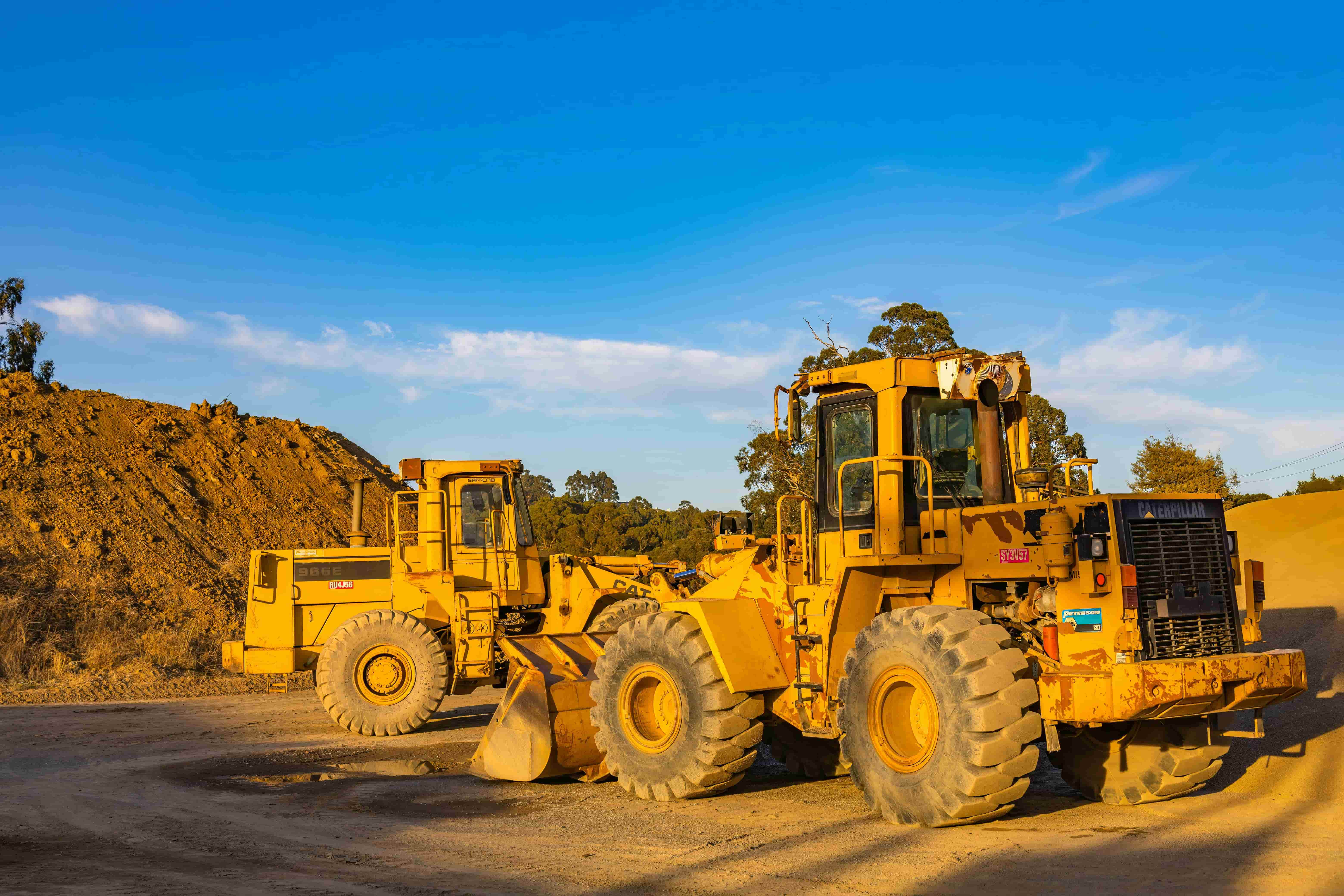
Identifying workers and light vehicles near massive tires and unpaved terrain.
|
Differentiates between actual hazards and non-critical environment elements like dust or exhaust.
|
|
Visual Awareness
|
Managing standard "No-Zones" on paved highways and loading docks.
|
Overcoming extreme height obstructions and limited sightlines from ultra-class cabs.
|
Enhances visibility in low-light and low-visibility data for clearer operator awareness.
|
|
Alert Accuracy
|
Managing frequent alerts in high-density city streets and intersections.
|
Filtering out alerts caused by rock walls (berms) and static site infrastructure.
|
Reduces nuisance warnings to support sustained driver focus and trust in the system.
|
The Strategic Path: From Alerts to Intervention
The evolution of mining safety is currently defined by the shift from Operator Awareness (Level 7) to Advisory Control (Level 8) within the Earth Moving Equipment Safety Round Table (EMESRT) framework. Compliance requires a transition toward machine-centric control to mitigate unwanted interactions.
AI detection provides the high-fidelity data required for Level 9 systems—Machine Intervention—where the vehicle automatically takes control of speed or braking if the operator fails to respond. This predictive risk analysis gives drivers crucial extra seconds to react, transforming the system from a passive alert tool into a proactive risk management standard. Organizations like BHP and Rio Tinto already enforce standards that prioritize these engineering solutions to maintain safe distances between heavy mobile equipment and light vehicles.
Operational Impact: ROI and Safety Culture
Investing in high-grade AI BSD delivers value that exceeds simple accident prevention by fundamentally shifting how fleets operate over time. Organizations that maintain an objective record of events can effectively counter legal threats and "nuclear verdicts," where jury awards exceed 10 million dollars for severe truck or industrial accidents. Beyond legal defense, digital compliance supports broader financial objectives by enabling fleets to negotiate insurance premium reductions ranging from 5% to 30% based on verified safety performance rather than generic risk profiles.
Every vehicle interaction or "near-miss" in a mining pit can halt production for hours while investigations are conducted, resulting in significant revenue loss. AI-powered systems minimize these interruptions by ensuring safer, more coordinated vehicle movements and providing the data-driven visibility needed to optimize site design. Ultimately, establishing a data-driven safety culture demonstrates that compliance is a fundamental driver of operational efficiency and stakeholder trust, securing the "license to operate" with both government authorities and the surrounding community.