

Cargo theft remains a significant challenge for transportation and logistics companies. From unauthorized trailer access to theft during transit, security incidents can lead to financial losses, delivery delays, and damaged customer relationships. Protecting shipments requires more than traditional locks and basic vehicle tracking.
Effective cargo theft prevention combines risk management, secure transport solutions, physical security, personnel awareness, and collaboration with law enforcement. Here are five essential strategies to help fleets strengthen cargo security.
1. Strengthen Supply Chain Risk Management
Cargo security starts with identifying vulnerabilities across transportation operations. According to the 2025 Global Cargo Theft Report by BSI and TT Club, lorries account for 70% of recorded global cargo theft incidents, while insider involvement contributes to 22% of cases.
Identify Vulnerabilities
Common risk factors include high-risk routes, unsecured parking locations, insufficient access control, and limited shipment visibility. Identifying these weak points helps companies prioritize security measures based on cargo value and transportation conditions.
Develop Mitigation Plans
Establish clear procedures for route planning, vehicle inspections, cargo access, and shipment handovers. Regular risk assessments also help fleets adapt their security measures as operating conditions change.
2. Adopt Secure Transport Solutions
Technology improves visibility into vehicle movements and cargo conditions, helping fleet managers identify suspicious activities and respond more effectively.
Utilize CCTV Surveillance and Tracking Systems
GPS tracking helps managers monitor vehicle locations, identify unexpected stops, and detect route deviations. Geofencing can generate alerts when vehicles enter or leave designated areas unexpectedly.
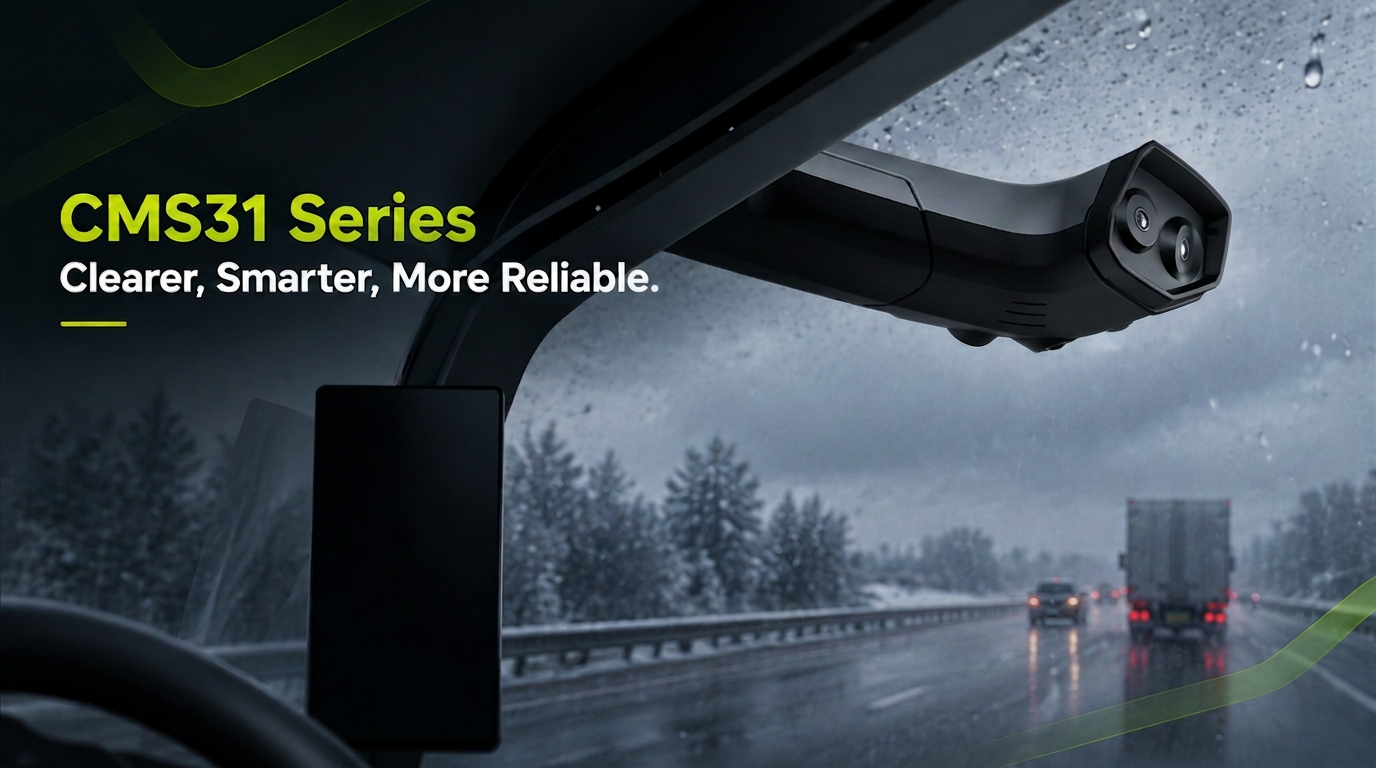
A truck CCTV surveillance camera provides another layer of protection by recording vehicle surroundings and relevant cargo-related activities. Combined with GPS information, video footage helps managers investigate suspicious events with greater context.
For example, the Streamax Z5 Trailer Cargo Monitoring Camera combines dual-channel video monitoring, GPS connectivity, and AI-powered cargo management to improve visibility into cargo conditions and trailer operations.
Detect Unusual Vehicle Activities
A vehicle motion detector alarm can help identify unexpected movement or activity when a vehicle is parked or unattended. Similarly, vehicle door alarms can alert fleet managers to unauthorized door-opening events, helping them identify potential security risks.
Integrating video monitoring, GPS tracking, and relevant vehicle alerts provides a more comprehensive approach than relying on individual security devices.
3. Enhance Trailer Security with Reliable Locks
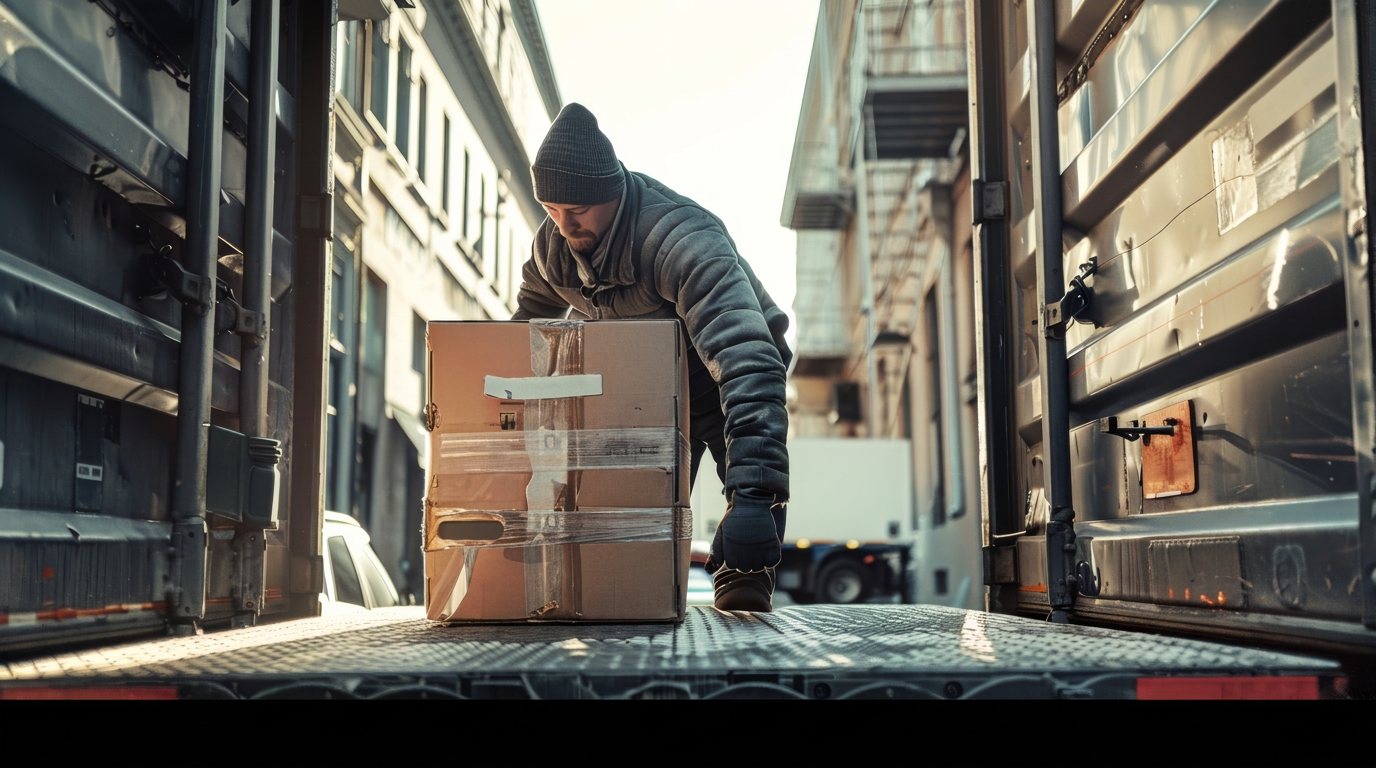
Trailers are particularly vulnerable when detached from tractors or left unattended during loading, unloading, and temporary parking.
Choose Appropriate Security Locks
Common options include:
-
Kingpin locks: Help prevent unauthorized coupling of trailers to other tractors.
-
Hasp and padlock systems: Secure trailer doors and cargo compartments.
-
Container seals: Provide visible evidence of potential tampering.
-
Electronic locks: Offer additional access-control capabilities, depending on configuration.
Establish Consistent Inspection Practices
Drivers and warehouse personnel should check locking devices and security seals before departure and upon arrival. Combining physical locks with GPS tracking and video monitoring provides a more comprehensive approach to trailer security.
4. Improve Personnel Training and Security Awareness
Employees play an important role in cargo theft prevention. Drivers, dispatchers, and warehouse personnel should understand security procedures and know how to respond to potential threats.
Train Staff to Recognize Cargo Theft Fraud
Regular training should help employees identify impersonation attempts involving fake carriers, fraudulent pickup requests, and suspicious delivery address changes. Staff should verify driver identities, carrier credentials, pickup authorization, and shipment details before releasing cargo, and follow established procedures for confirming address changes. Camera-based monitoring can provide an additional layer of verification, helping validate vehicle identities, capture pickup activities, and flag discrepancies when shipment details do not match actual operations.
Encourage Timely Reporting
Establish clear reporting channels for unusual vehicle movements, damaged security devices, and suspected theft. Timely communication enables fleet managers to assess risks and coordinate appropriate responses.
5. Collaborate with Law Enforcement
Cargo theft prevention also benefits from cooperation between transportation companies, industry organizations, and law enforcement agencies.
Build Effective Partnerships
Companies should understand local reporting procedures and establish communication channels with relevant authorities. Useful evidence includes vehicle identification, GPS location records, shipment information, timestamps, and available video footage.
Share Security Information
Participating in industry security networks helps fleets stay informed about emerging theft patterns, high-risk areas, and common criminal methods.
Integrate Technology for Better Cargo Security
No single measure can eliminate cargo theft. Effective prevention requires multiple layers of protection, combining risk assessments, physical security, personnel training, and connected monitoring technologies.
Streamax's Z5 supports trailer cargo monitoring through video, GPS tracking, and AI-powered cargo management. By improving visibility into cargo conditions and trailer operations, it helps fleets strengthen shipment oversight and make more informed operational decisions.
his product is an auxiliary management tool. AI recognition functions may produce false positives or miss detections, and cannot replace a fleet's physical security measures, personnel management, or cooperation with law enforcement. Third-party data cited herein (e.g., the BSI and TT Club report) is sourced from publicly available reports and is for reference only.