Fleet management is no longer just about keeping wheels turning — it’s about protecting profitability against hidden risks that silently drain your business. Trailer profitability is lost in small gaps: unused space, unclear loading status, cargo movement, door events, and missing location context. This article explains how Streamax Z5 helps fleets see inside the trailer, track cargo status, and respond faster when risk appears.
Get the latest from Streamax
Subscribe now
Why trailer visibility matters
Trailer operations often lose money before anyone notices. A load may leave with unused space. Cargo may shift after a hard brake. A door may open outside the expected stop. A trailer may sit for hours while dispatch still sees it as "in transit." None of these problems starts as a dramatic incident, but each one can turn into fuel waste, claims, delays, and customer disputes.
This is why trailer cargo monitoring is becoming a practical fleet management requirement. Fleet teams do not only need to know where the tractor is. They need to know what is happening inside and around the cargo box.
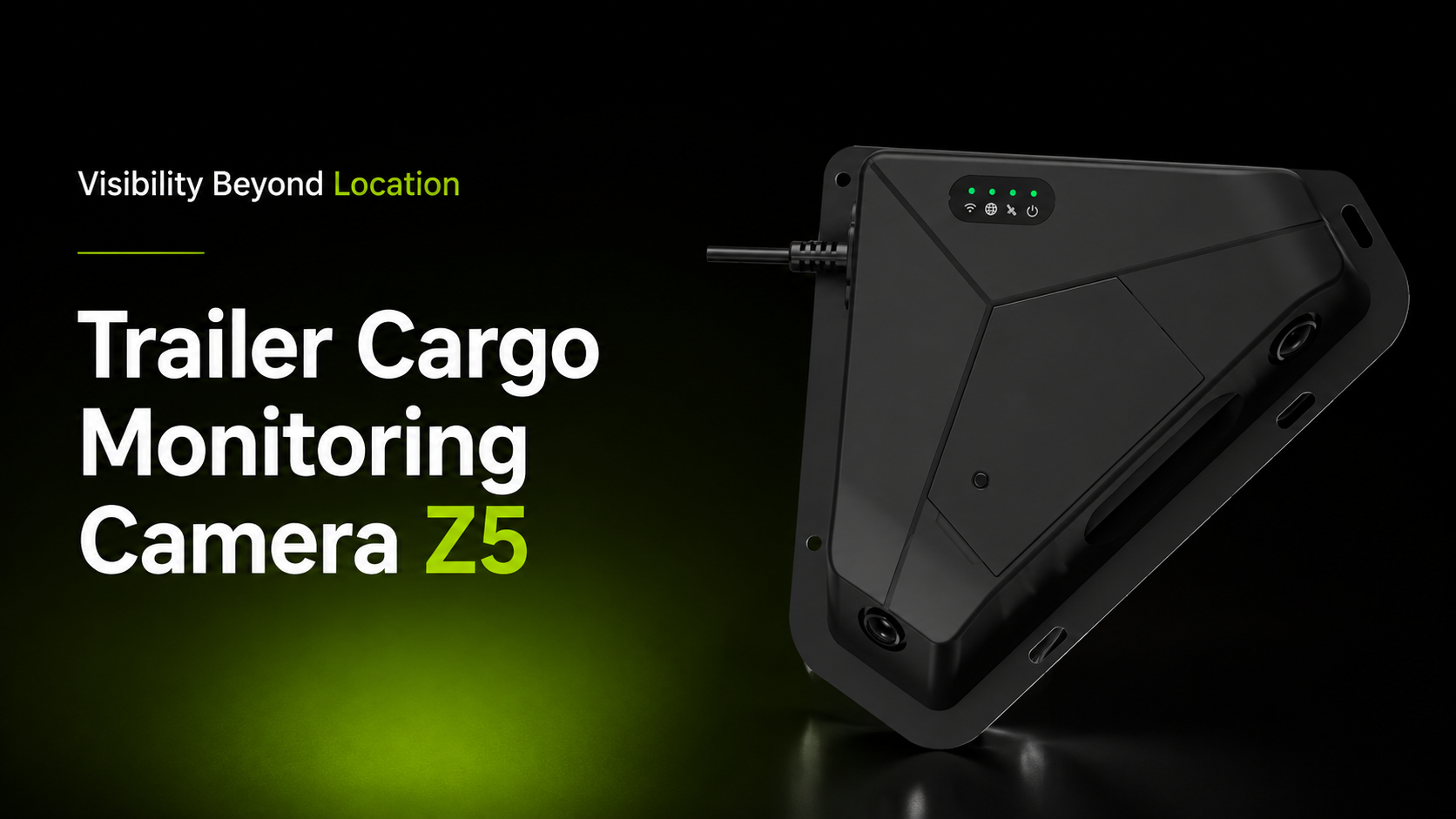
Streamax Z5 is built for that specific problem: real-time loading visibility, cargo protection, and trailer-side intelligence in one cargo monitoring camera.
The profit leaks hiding inside trailer operations
Underused space
Trailer capacity is only valuable when it is used well. Dispatch may plan a full load, but without visibility inside the cargo box, the team often relies on manual estimates, driver feedback, or delayed warehouse updates.
If a trailer leaves with unused space, the fleet still pays for the trip, driver time, fuel, tolls, and equipment wear. Precision volume measurement helps teams see how much space is actually used, then adjust loading, routing, or consolidation before small inefficiencies become normal.
Cargo Damage
Cargo damage creates claims work, delivery disputes, repeat loading mistakes, and customer frustration. The hard part is knowing when the problem happened.
Did the cargo leave the dock poorly stacked? Did it move during transit? Was the unloading process mishandled? Without video and status context, teams often argue from memory instead of evidence.
A high-definition panoramic view inside the cargo box gives managers a clearer record of loading condition, space use, and cargo movement. That record supports better loading practices and faster claims review.
Theft and unauthorized access
Cargo theft is no longer limited to opportunistic roadside incidents. Criminal groups increasingly use false identities, spoofed communication, and targeted routing information. Business Insider, citing the American Trucking Associations, reported that freight theft can cost the U.S. economy up to $35 billion per year, with strategic cargo theft rising sharply since 2021.
For fleets, the lesson is direct: location alone is not enough. A trailer security workflow needs GPS context, door or sensor events, visual evidence, and fast alerts so the team can react while the shipment is still recoverable.
How Streamax Z5 turns a trailer into a visible asset
Precision volume measurement for better space utilization
Z5 monitors the real-time volume inside the cargo box and helps teams see whether trailer space is being used efficiently. For high-volume logistics, this supports better load planning and fewer wasted trips.
The user impact is simple: dispatchers can make decisions from cargo reality instead of rough estimates.
High-definition panoramic camera for cargo condition visibility
The Z5 cargo monitoring camera uses a high-definition dual-camera design for cargo box coverage. It helps teams see loading status, cargo placement, and in-transit changes with clearer visual context.
This supports damage prevention and accountability. When teams can review what happened, they can fix the process instead of guessing where responsibility belongs.
Integrated GPS tracking with long standby capability
Z5 can operate as a standalone GPS tracker, providing location data to help safeguard cargo. The product poster notes up to 120 days of continuous tracking capability, depending on configuration and operating conditions.
This fits the broader shift toward integrated fleet hardware. As Streamax explains in its article on camera-based telematics hubs, fleets can reduce complexity when video, GPS, AI analysis, and sensor integration move into one device layer.
Lightning-fast startup for missed-event reduction
A trailer-side device only helps if it is ready when the event happens. Z5 is designed with a 1-second startup time, reducing waiting time and helping the system begin operation quickly after activation.
For fleet users, this improves confidence in short stops, loading yards, and other situations where events can happen before a slow device is fully awake.
Expansion capability for different trailer workflows
Trailer operations are not all the same. High-value goods, cold chain routes, equipment transport, and general freight each have different risk points. Z5 is designed for expansion and can work with multiple cargo security systems to support broader fleet workflows. In practice, this matters because fleets rarely solve trailer risk with one signal. They need a system that can connect video, location, alerts, sensors, and evidence into one operational view.
For procurement teams comparing platforms, the same evaluation logic applies as with broader video telematics: ask whether the system reduces work for the team, provides useful context, and fits the daily workflow. Streamax covers that buying logic in its guide on choosing a video telematics system.
For high-volume logistics, Z5 helps reveal whether cargo space is being used well and whether dispatch decisions match actual loading conditions.
For high-value goods, Z5 combines GPS tracking, cargo visibility, and event context to support faster theft response and stronger shipment accountability.
For sensitive equipment or heavy loads, Z5 gives teams visual evidence of loading quality, stacking condition, and cargo movement. That evidence can support safer handling and cleaner claims resolution.
From trailer tracking to trailer intelligence
Traditional trailer tracking answers one question: where is the trailer? That still matters, but it does not explain whether the cargo is safe, whether the trailer is loaded efficiently, or whether a risk event is developing.
Trailer intelligence adds the missing layer. It connects location, cargo visibility, load status, and alerts so operations teams can act earlier.
Z5 is designed for that shift. It helps fleets protect cargo, improve space use, and manage trailer risk with evidence instead of assumptions. To explore related fleet safety solution, visit the Streamax trucking solution page.
Frequently Asked Questions
Is Z5 only for high-value cargo?
No. High-value cargo benefits from stronger security visibility, but general freight, high-volume logistics, and sensitive equipment transport can also benefit from cargo volume measurement, panoramic monitoring, and trailer-side alerts.
Does Z5 replace a GPS tracker?
Z5 includes integrated GPS tracking and can operate as a standalone GPS tracker in supported configurations. Fleets should confirm deployment requirements, power setup, platform integration, and regional availability before replacing existing hardware.
How does cargo monitoring reduce fleet costs?
It helps fleets identify unused cargo space, review loading quality, detect cargo movement, respond to unauthorized access, and handle claims with clearer evidence. The savings depend on route type, cargo value, operating process, and system configuration.
What is a trailer cargo monitoring camera?
A trailer cargo monitoring camera is a device installed on or inside a trailer to provide visual cargo status, loading visibility, and event evidence. Advanced systems can also combine GPS, alerts, AI analysis, and sensor integration.
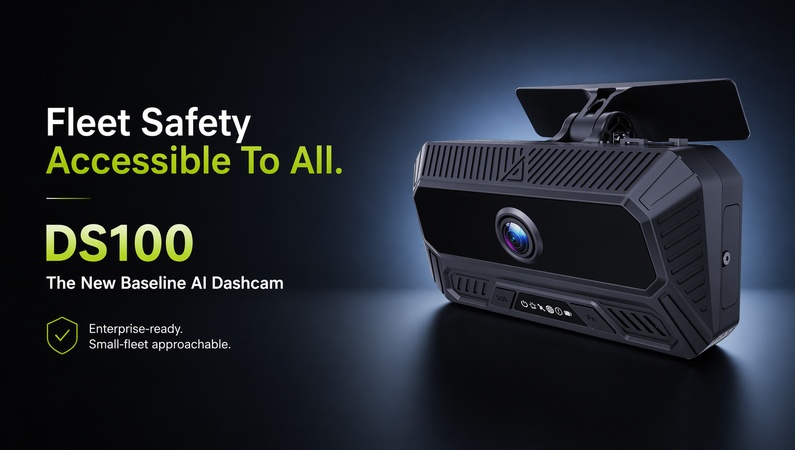
Explore the Streamax DS100 Enterprise dashcam, featuring F1.2 aperture, eMMC storage, and AI-driven ADAS. It bridges the gap between purely compliant recorders and professional AI Dashcams, offering a scalable, AI-driven safety baseline for global freight fleets.
See how Bongo IoT works with Streamax to help Bangladesh and Pakistan fleets move from basic tracking to AI video telematics, driver behavior intelligence, and measurable safety outcomes.